

Product Design
Lowering the Barriers to Daily Journaling
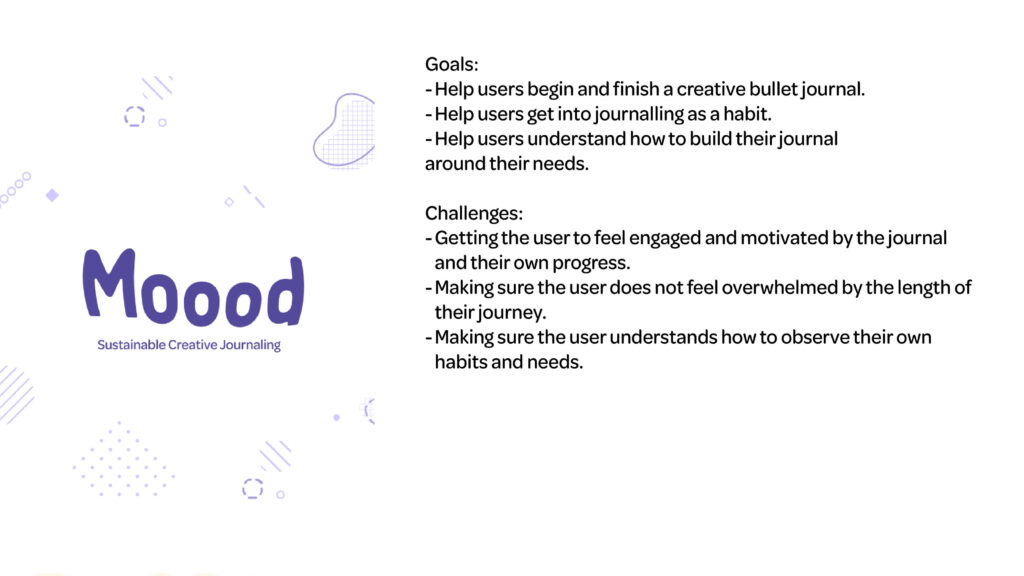
A conceptual journaling brand aimed at helping new journalers build a sustainable habit.
Task:
Find a balance between asethetic and function for new journalers.
Tools:
Illustrator, Indesign, Photoshop
Problem
In the past, I've tried bullet journalling many times but I could never keep up with it. I realized that while I wanted my journal to look nice, without it feeling like a chore. That's why I wanted to create a system that would help me keep on track without feeling overwhelmed.
Process
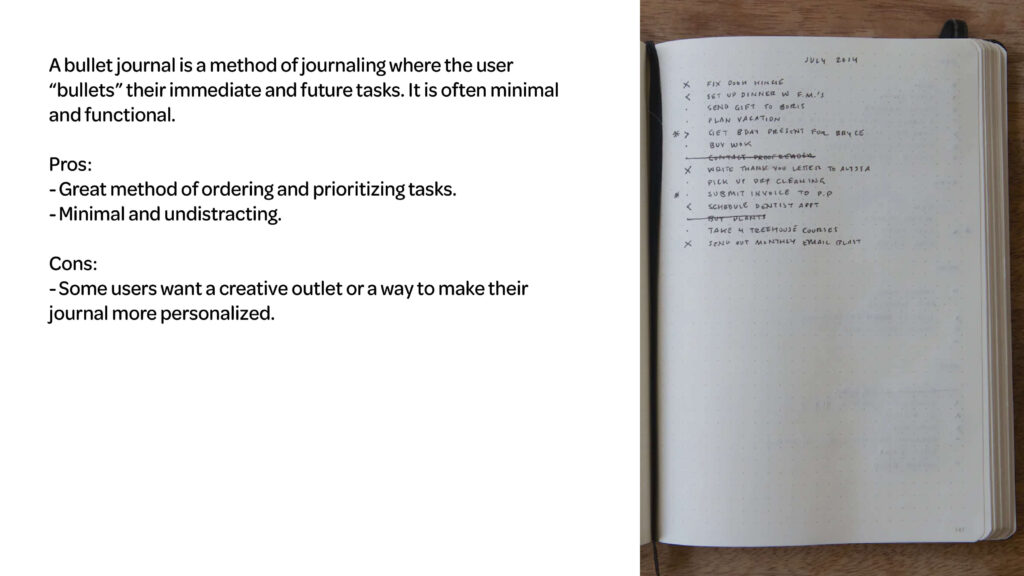
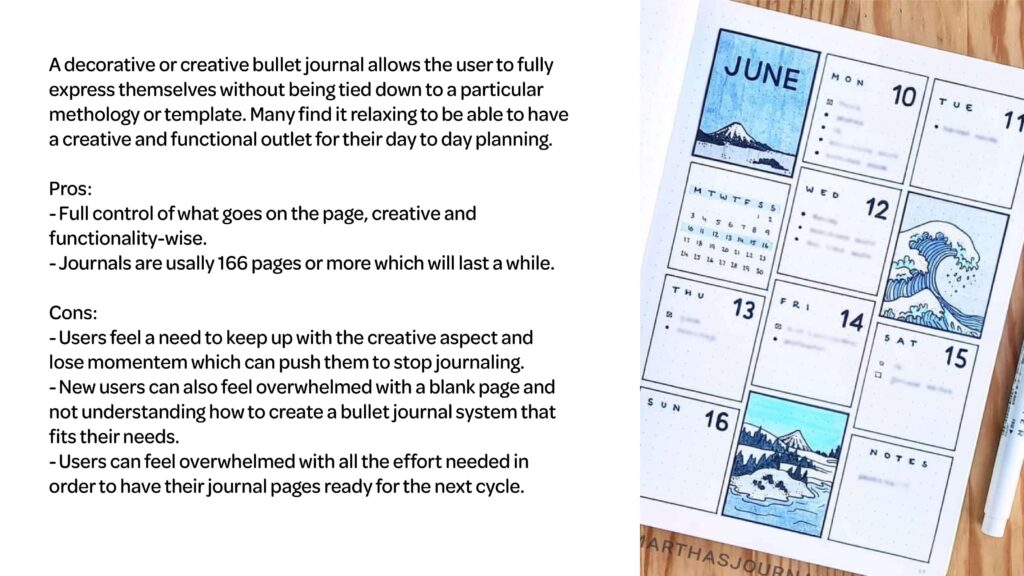
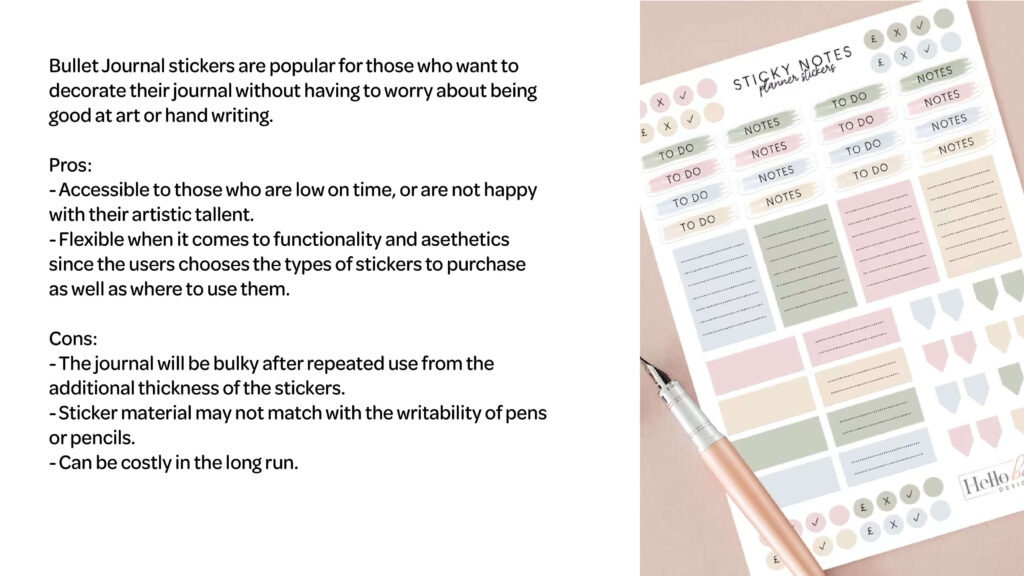
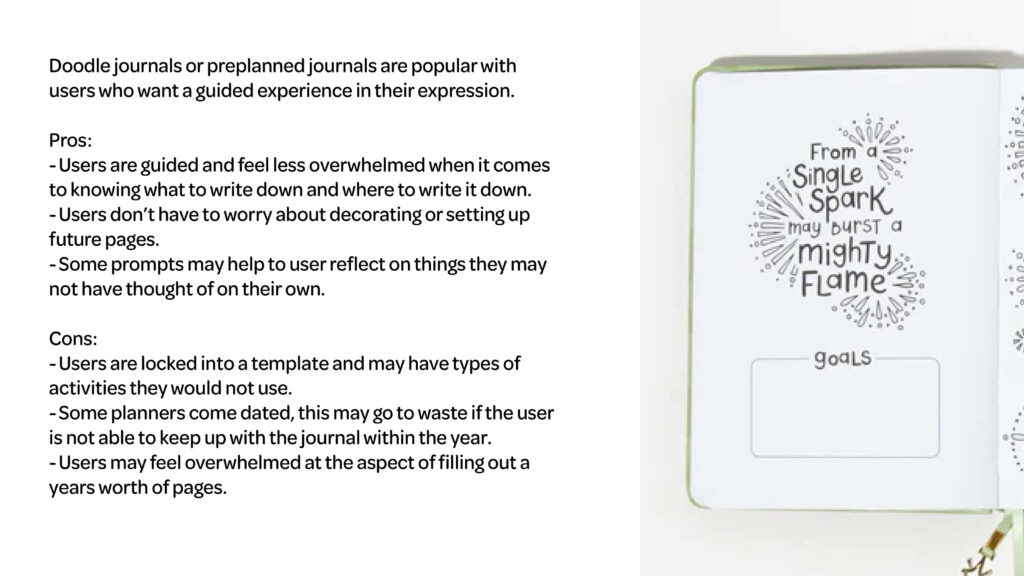
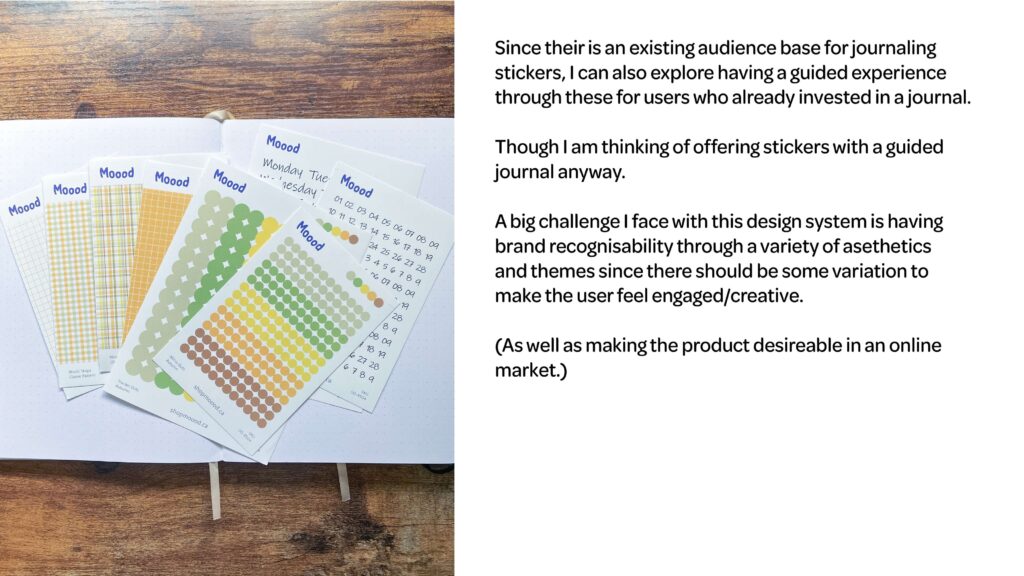
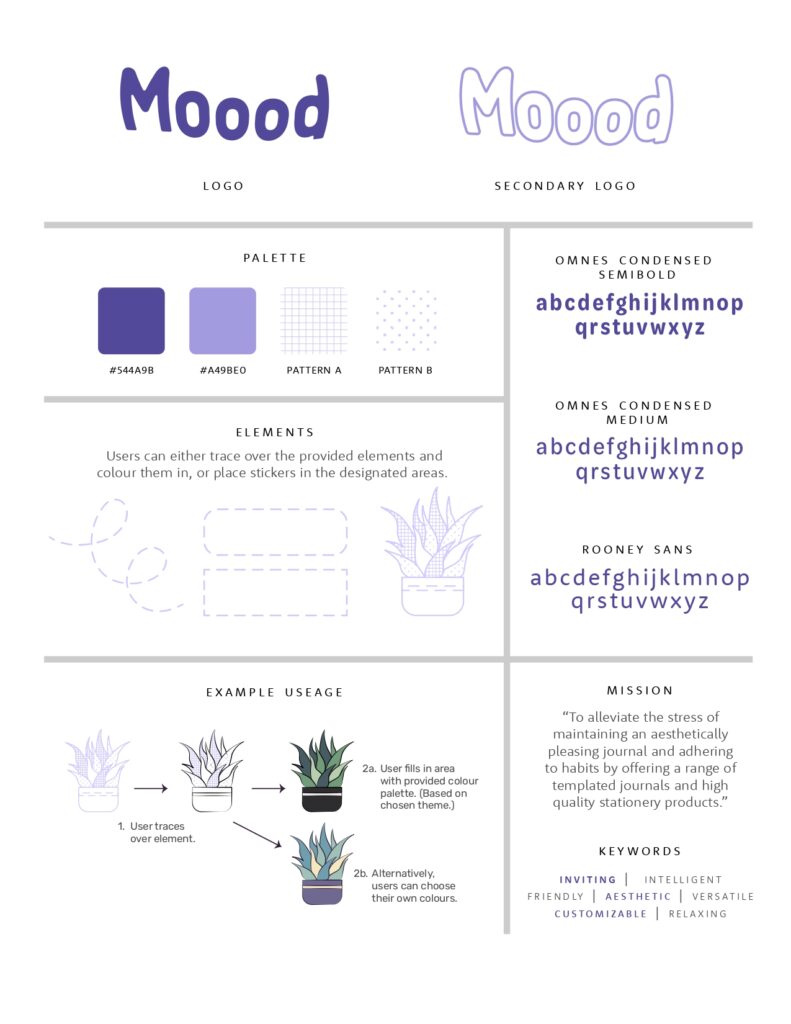
I started by researching what barriers were present for new journal users based on my own experience as well as online forums. I then complied a quick pitch and brand moodboard for my Design Systems class.
Layout Flexibility
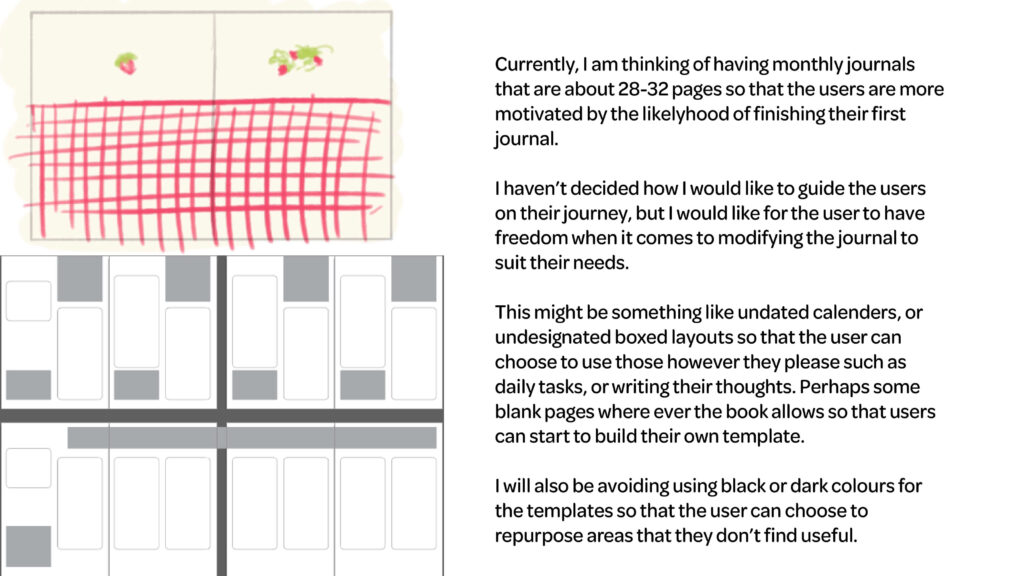
While there are many premade journals available on the market, I found none of them to be as flexible as I needed them to be. On one hand, a blank bullet journal offered too much freedom and on the other, a templated one offered too little.
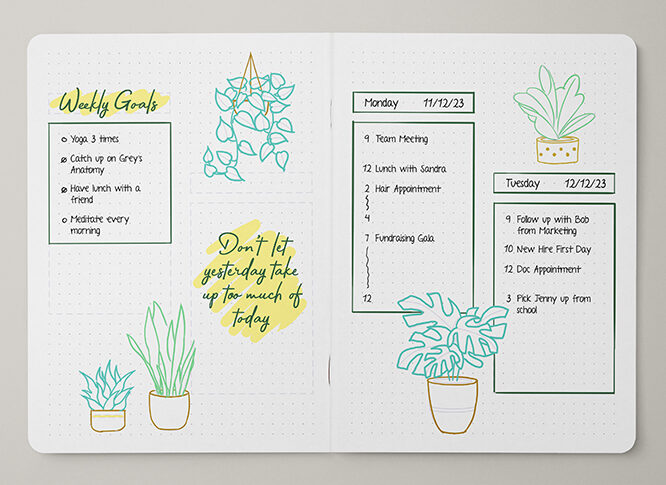
I envisioned Moood to fill this void in the market. By using a lighter ink, users could choose between using the suggested template or creating their own. Once the page was filled out by the user, the template lines would blend into the background with the traditional 5mm dots, giving the user a non-distracting experience.
I envisioned Moood to fill this void in the market. By using a lighter ink, users could choose between using the suggested template or creating their own. Once the page was filled out by the user, the template lines would blend into the background with the traditional 5mm dots, giving the user a non-distracting experience.
Journaling Shouldn't Feel Like a Chore
I struggled with my journaling a lot since I wanted to make the pages look nice like I saw online. While I did like the creative outlet, it soon started to feel like a chore. I thought about which part of the creative process I found most relaxing and I realised that I liked doing line art and colouring. That’s why I decided to put little outlined illustrations in a light ink colour. The ideas is that the users can choose to trace and colour these as a way of relaxing an decorating their journal.
Making New Users Feel Rewarded
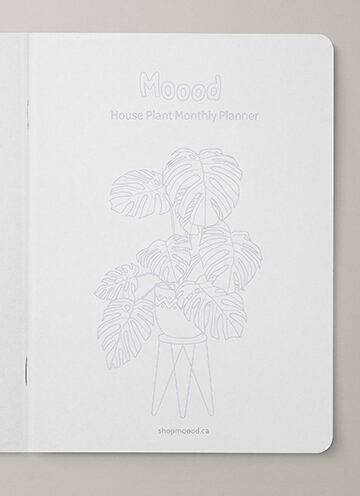
Usually bullet journals come with around 100-200 pages, However, as a new user, the idea of completing a journal felt so distant, it made me feel less compelled to continue my new habit. That's why I wanted to create journals that would take advantage of this reward system to keep me feeling accomplished throughout my journey.
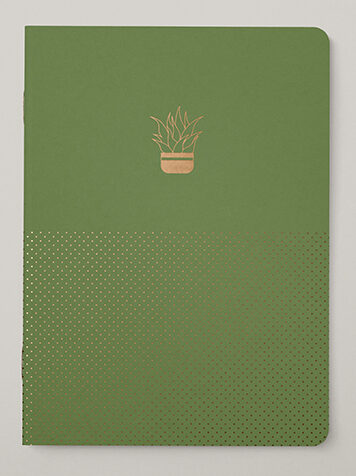
The journals ended up being 7 sheets, which gave users 28 pages to use. With the layout reccomending 2 days per page, that's more than enough for 1 month of journaling.
The journals ended up being 7 sheets, which gave users 28 pages to use. With the layout reccomending 2 days per page, that's more than enough for 1 month of journaling.
Conclusion
The concept is off to a good start. I found myself less stressed when wanting to create a new journal. I also found having smaller booklets let me journal about a variety of topics such as new recipies and workout routines. However, without more user feedback, it is hard to conclude whether or not this is a viable market product.